

What if I told you there’s a structured way to navigate your customers from mere awareness to making a purchase? That’s precisely what a sales funnel does, and understanding it can revolutionize your approach to sales. But first, let’s unpack what a sales funnel really is and why it’s crucial for your business.
Understanding the Sales Process
Before getting into the intricacies of a sales funnel, it’s helpful to grasp what a sales process is. A sales process is a step-by-step guide that your sales team follows to turn a prospect into a customer. Think of it as a roadmap; without it, you’re essentially driving in circles without a destination in mind.
Why a Sales Process Matters
Having a clear sales process in place not only improves sales results but also streamlines your team’s efforts. Here are a few reasons why it’s beneficial:
-
Consistency: With a defined process, your team can deliver a consistent experience to each potential customer.
-
Efficiency: A structured approach helps in identifying which leads to follow up with and which ones to prioritize.
-
Measurement: It allows you to measure different aspects of your sales efforts, making it easier to identify areas for improvement.

This image is property of images.unsplash.com.
What Is A Sales Funnel?
Now that you understand the sales process, let’s dive into what a sales funnel actually is. In its simplest form, a sales funnel is a model that represents the customer journey from initial awareness of your product or service to making a purchase.
The Stages of a Sales Funnel
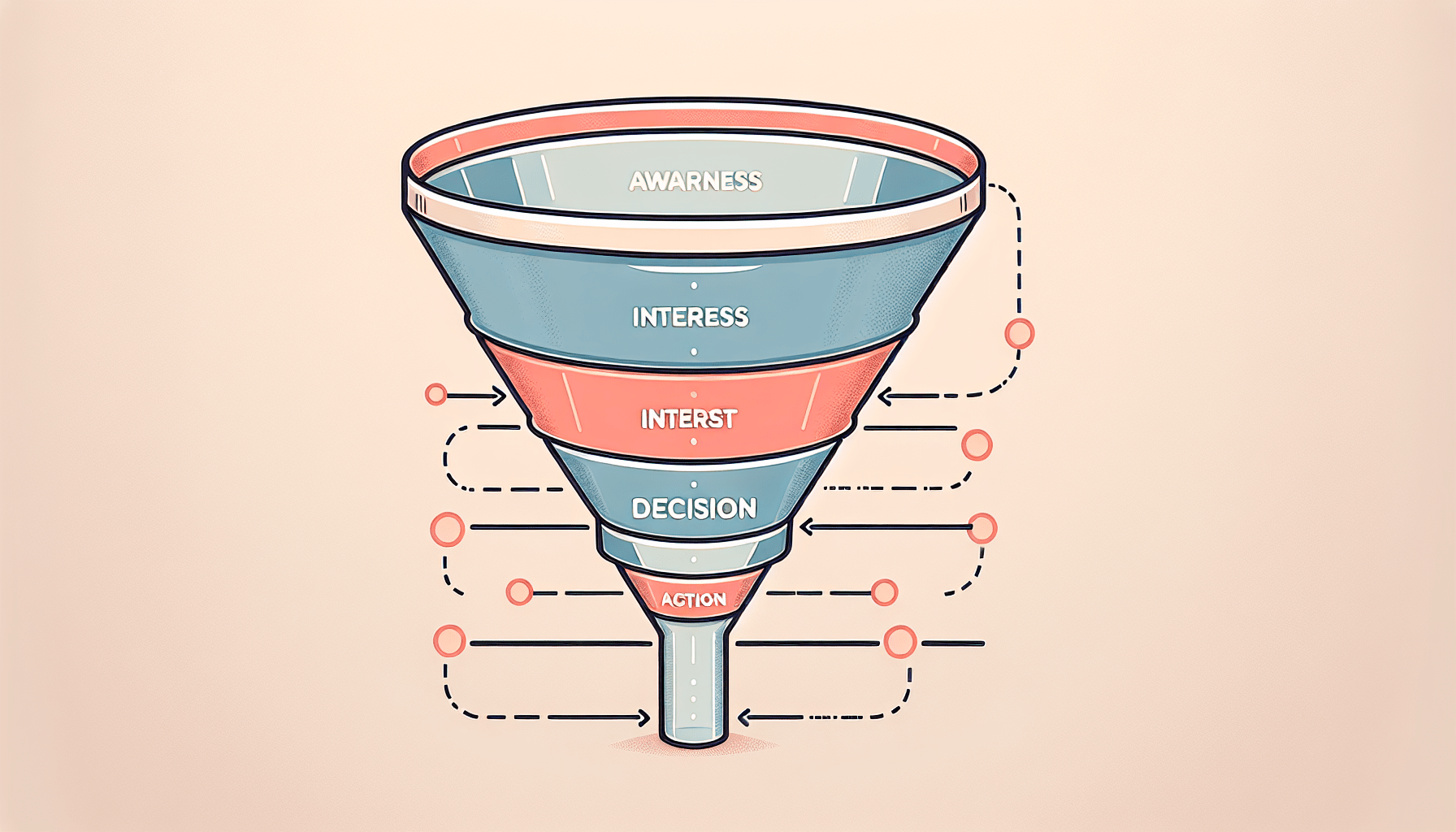
The sales funnel is typically divided into several stages—each stage represents a point at which you can engage the customer. These stages can vary depending on the model, but the basics usually include:
| Stage | Description |
|---|---|
| Awareness | Potential customers become aware of your product. |
| Interest | They express interest in learning more. |
| Decision | They evaluate their options and consider making a purchase. |
| Action | The final stage where they complete the purchase. |
Let’s look at these stages in a bit more detail.
Awareness Stage
This is where it all begins. Customers first learn about your brand, perhaps through social media, ads, word of mouth, or SEO efforts. Your job here is to catch their attention. You want to provide engaging and informative content that speaks directly to the pain points and needs of your target audience.
Think about this: Are you utilizing the right channels to promote your brand? Consider if your message resonates with your audience and fulfills their needs.
Interest Stage
Once you’ve gained their attention, the next step is to pique their interest. This stage often involves providing more detailed information about your product or service. This could be done through blogs, tutorials, webinars, or newsletters.
At this point, you might consider segmenting your audience based on their interests. By doing this, you can tailor your messages accordingly and increase the likelihood of holding their interest.
Decision Stage
Ah, the decision stage—the crucial moment where potential customers weigh their options. They may compare your offering against competitors, read reviews, and seek recommendations. To maximize the chances of a favorable outcome, you need to offer clear value propositions and irresistible incentives.
This might include promotional discounts, free trials, or limited-time offers. Don’t underestimate the power of social proof; showcasing testimonials and case studies can significantly enhance your credibility.
Action Stage
This is the moment you’ve been waiting for! The potential customer converts into a buyer by completing a purchase. However, even amidst the excitement, it’s essential to ensure a seamless transaction process.
Post-Purchase Follow-up
Even after a sale, the journey shouldn’t end. Following up with customers is vital for fostering loyalty and encouraging future purchases. Consider sending thank-you emails, gathering feedback, or offering additional products that they might find useful.

This image is property of images.unsplash.com.
Importance of the Sales Funnel
Understanding and effectively managing your sales funnel can lead your business to greater heights. Here’s why it matters:
Better Customer Insights
The sales funnel provides valuable insights into customer behaviors and preferences. By analyzing how customers move through the stages, you gain a clearer picture of where they drop off or lose interest. This data can inform your future marketing and sales strategies.
Improved Lead Management
With a sales funnel in place, you can prioritize leads based on their stage in the buying process. This means focusing your efforts on those who are closer to making a purchase, ultimately increasing your chances of closing deals.
Enhanced Marketing Strategies
Different stages of the sales funnel require tailored marketing tactics. Understanding this helps you create targeted campaigns that meet your audience’s changing needs as they move closer to making a purchase.

This image is property of images.unsplash.com.
Implementing Your Sales Funnel
Now that you comprehend the importance of a sales funnel, it’s time to consider how to implement one effectively. Here are some key steps to guide you:
Define Your Target Audience
Understanding who your ideal customer is should be the first step. Build customer personas that outline demographics, preferences, and needs. By knowing your audience inside out, you can tailor your messaging and content accordingly.
Develop Compelling Content
Invest time in creating high-quality content tailored to each stage of the funnel. From attention-grabbing blog posts to decision-influencing case studies, your content should serve as valuable resources for your audience.
Utilize Technology
Automating various aspects of your sales funnel can save time and enhance efficiency. Consider leveraging Customer Relationship Management (CRM) systems or email marketing tools to streamline your processes.
Track and Analyze Performance
Keep track of key performance indicators (KPIs) to measure the effectiveness of your sales funnel. Regularly reviewing metrics like conversion rates, lead acquisition cost, and customer lifetime value will help you make informed adjustments.
Iterate and Improve
Sales funnels aren’t set in stone. Regularly reviewing and updating your funnel based on performance data and market changes will ensure your approach remains relevant and effective.
Common Challenges and Solutions
While setting up and managing a sales funnel can seem straightforward, you may encounter challenges along the way. Here are a few common hurdles and how to overcome them.
Lead Generation
Challenge: Attracting potential customers can be tough, especially in competitive markets.
Solution: Experiment with diverse marketing channels and strategies. Invest in SEO, engage in social media advertising, and explore partnerships to broaden your reach.
Lead Nurturing
Challenge: Converting leads into customers can take time, and some may lose interest before they make a decision.
Solution: Implement drip email campaigns that nurture leads with valuable content over time. Consistency is key; ensure you stay top-of-mind without overwhelming them with sales pitches.
Measuring Effectiveness
Challenge: It can be difficult to measure the success of your sales funnel and identify bottlenecks.
Solution: Regularly track your KPIs and analyze data to identify where leads drop off. Use analytics tools to help clarify which stages need improvement.
Conclusion
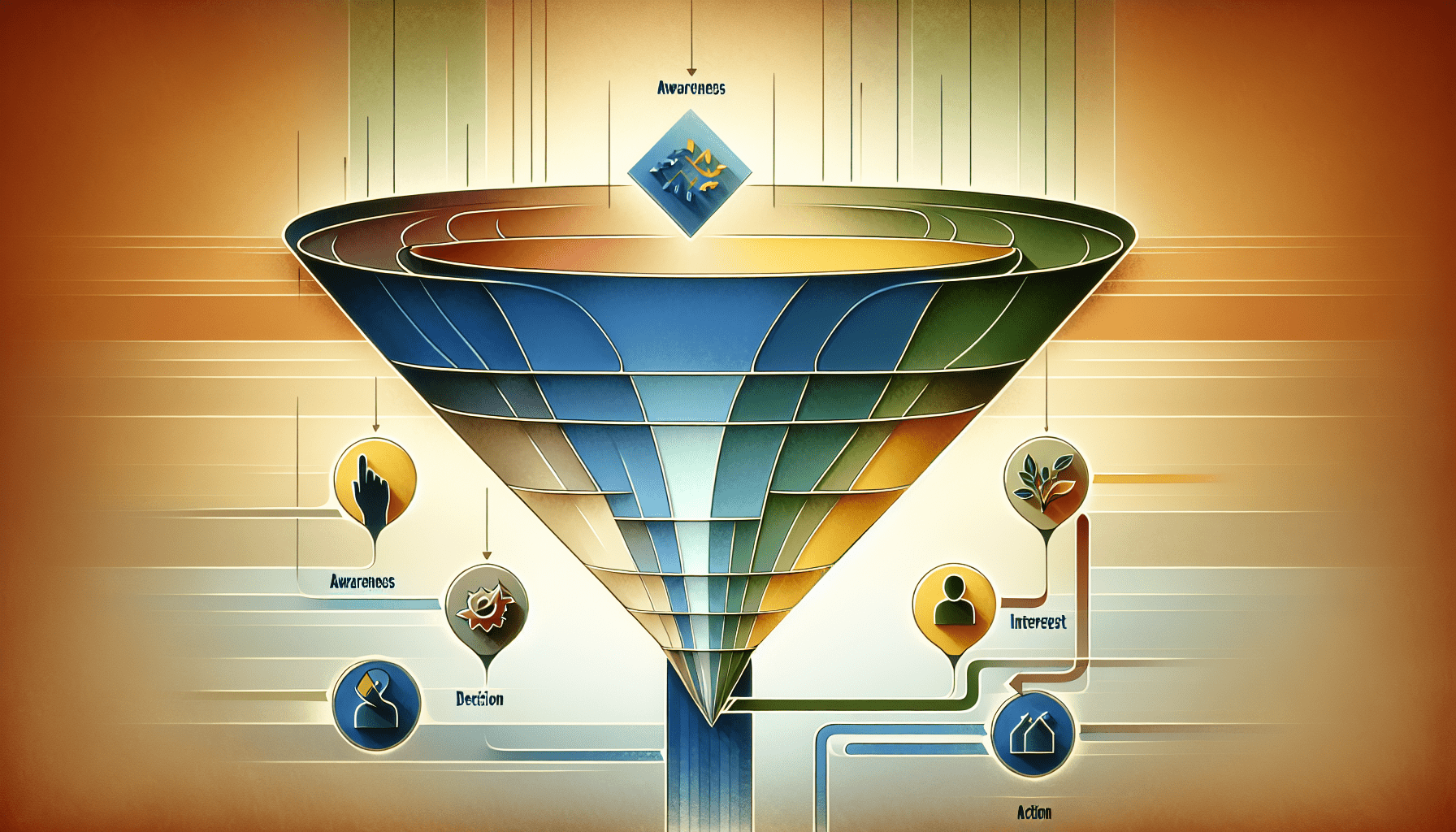
Understanding what a sales funnel is and how it fits into your sales process is essential for your success. By effectively guiding potential customers through each stage—from awareness to action—you can enhance your chances of making those important sales.
So, why wait? Consider your own sales funnel. Are you engaging your audience effectively? Could you refine your process for better results? Embrace the concept of the sales funnel, and you’ll likely find your path to success growing clearer and more manageable—who wouldn’t want that?